Read more - 01/10/2026
Login using your username and password
Use Facebook or an email
Win great Aussie prizes, access special offers and keep up to date with all the news from the famous green and gold kangaroo!
It's free to join, so what are you waiting for? Join today!
Use Facebook or an email
Enter email to reset password
Celebrating 90 years of operations this year, Capral has been at the forefront of Australia’s aluminium manufacturing industry, playing a vital role in shaping the nation’s industrial landscape.
For nearly a century, the company has built a strong legacy grounded in innovation, reliability and local expertise. From supporting major infrastructure projects to enabling advancement in transport and renewable energy, Capral’s aluminium products have become an essential part of everyday Australian life today.
This milestone not only marks a long and successful history but also reflects Capral’s ongoing commitment to strengthening Australia's manufacturing capability and contributing to its future growth.
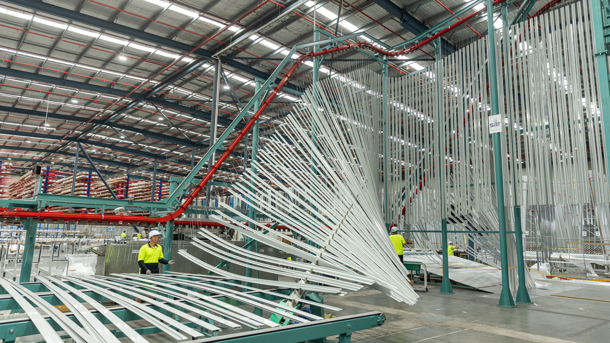
Founded in 1936, Capral has played a pioneering role in shaping Australia’s aluminium industry. While the company began in the mid-1930s, much of its early manufacturing capability was established in the 1940s in Granville, New South Wales, where it became the first Australian business to operate an extrusion press and produce rolled aluminium products. Today, Capral is the only Australian company continuing to locally produce aluminium extrusions.
At a time when steel dominated transport and industrial use, Capral led the shift toward aluminium, championing it as a lighter, more versatile material and driving innovation across industries. From its early years, Capral supported the nation’s Second World War efforts, supplying aluminium for critical applications including aircraft manufacturing. This legacy continues today, with Capral supporting modern Australian manufacturing and contributing to innovative projects.
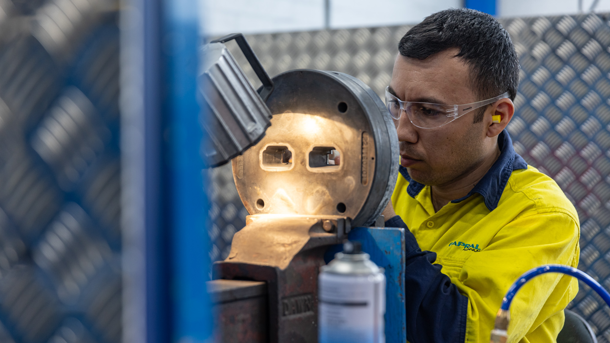
From supplying critical aluminium for wartime transport infrastructure, Capral continues to play a key role in advancing Australian transport innovation today. This is reflected in the construction of Hull 096, the world’s first fully electric ferry and the largest electric vehicle of its kind. Measuring at 130 metres in length, the vessel was constructed locally in Tasmania, by long term Capral customer Incat, using Australian Made aluminium supplied by Capral, reinforcing the nation’s position as a leader in supply to maritime innovation.
The use of aluminium is central to its performance – significantly lighter than steel, the material reduces the vessel’s weight by up to half and allows it to operate using only half the electricity of a conventional ship. This project not only highlights the advantages of aluminium in sustainable transport but also reflects Capral’s commitment to supporting local manufacturing and innovation.
“Capral has been a warhorse of Australian manufacturing for over 90 years and designing and extruding aluminium to support Australian manufacturers,” says Group Marketing Communications Manager, Kellie Moore, “That has been our core business from the beginning, we are committed to supporting downstream manufacturers and Australian innovation.”
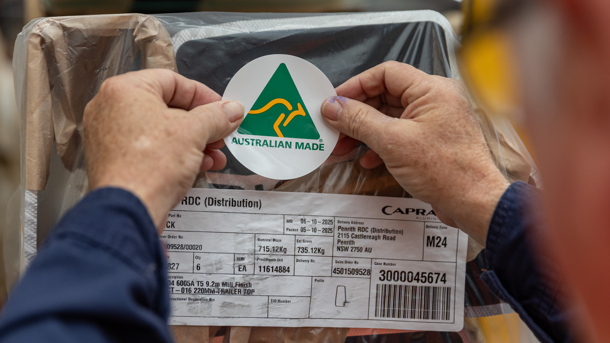
Joining the Australian Made Campaign was a clear and meaningful step for Capral, reflecting a long-held passion for supporting local industry. Being certified Australian Made is not just about the logo for Capral, it is at the core of everything the company stands for.
“Many of our employees remember the launch of the Australian Made logo 40 years ago and feel a deep personal connection to the brand.”
The team have been deeply committed to local manufacturing. For the team, the Australian Made logo represents trust, credibility and authority for decision-makers across manufacturing, as well as for end users and consumers. Capral sees the campaign as a powerful platform to reinforce the importance of maintaining a strong domestic aluminium supply chain. By continuing to highlight the value of locally produced materials, the company aims to ensure Australian manufacturers maintain access to high-quality aluminium products, supporting both industry resilience and future innovation.
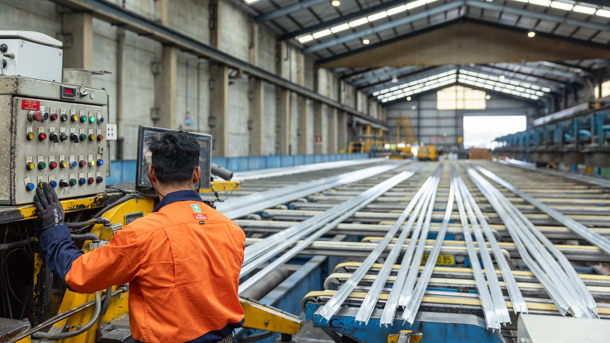
Capral’s customers have been equally enthusiastic. “Everyone loves it. Our customers are excited about it. They want to promote that they are buying Australian-made licensed products from Capral,” says Kellie.
Capral CEO Tony Dragicevich explains, “Joining the Australian Made Campaign was an exciting step for Capral. The logo is widely recognised and carries a strong message about supporting local industry. We are proud to display it on our Australian-made extruded aluminium products. At Capral, we value the campaign’s mission, and we know how much this initiative means to our customers, many of whom are Australian manufacturers themselves and who actively choose to support Australian manufacturing.
“As a proud licensee of the Australian Made logo, Capral is committed to strengthening local supply chains and ensuring customers have access to high-quality aluminium products manufactured right here in Australia.”
Learn more at capral.com.au
Monday, April 05, 2027

Proudly supporting Australian Made Campaign and the strength of the logo